

An indie hacker launch page does not need to be a custom marketing site. It needs to explain the app, show proof, link to the product, and make the next action obvious.
The launch post brings the click. The page has to catch it.
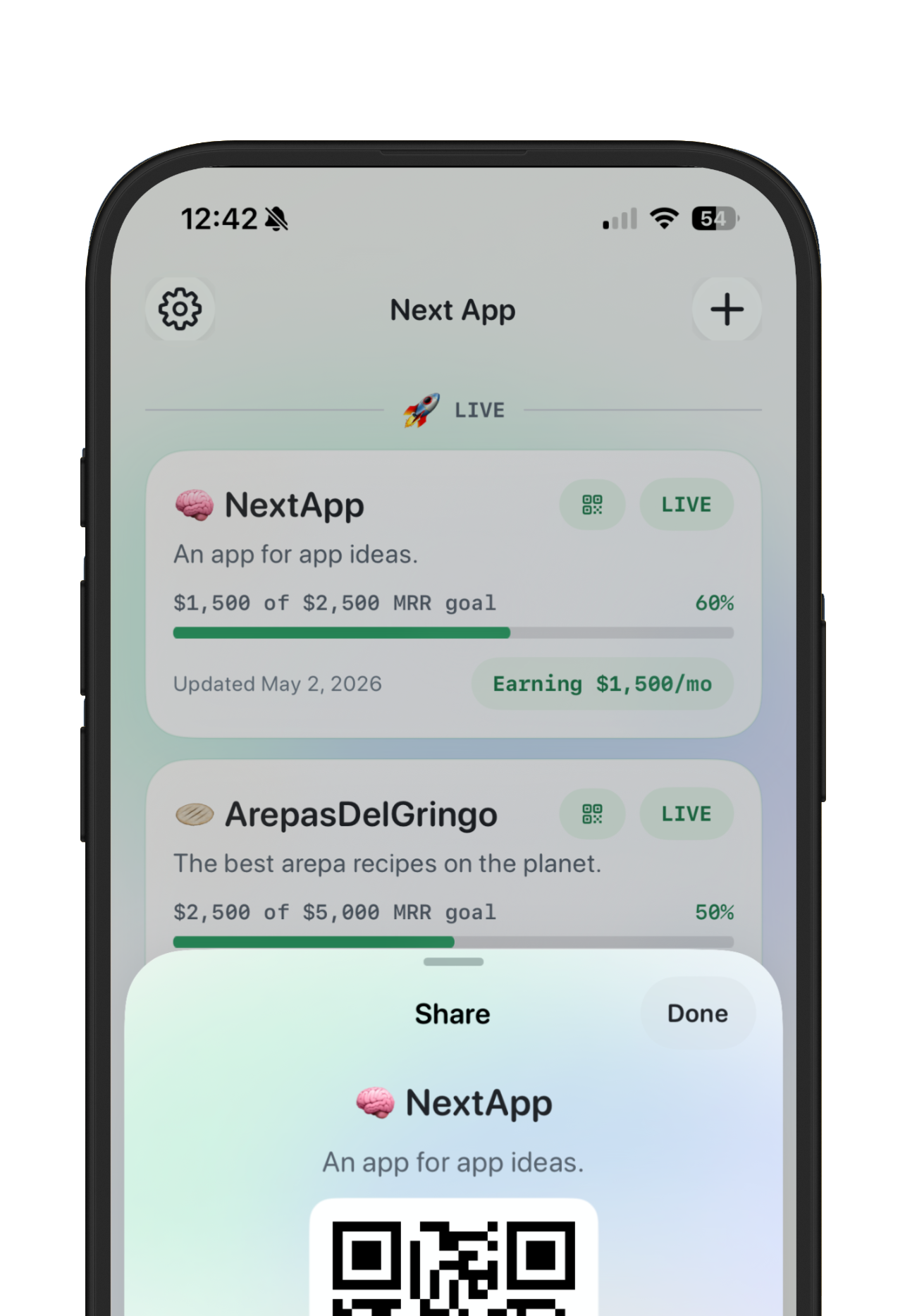
A launch page should make the first click make sense.
Show the app promise immediately
Visitors should know what the app does before they scroll. Use plain language. Save clever copy for later.
Add proof close to the promise
Proof can be a screenshot, user quote, revenue goal, waitlist number, or short demo. The page should not ask people to trust a blank claim.
Connect the maker story
Indie apps often get trust from the builder. A public maker profile shows the person, the other apps, and the build-in-public context.
Use one primary action
The CTA should match the launch: try it, join beta, send feedback, or follow the build. Do not split attention across equal choices.
Indie hacker launch-page checklist
- App promise is visible above the fold.
- Screenshot or proof supports the promise.
- Maker context is linked.
- CTA matches the launch goal.
- Shared preview is readable when posted.
Keep going with app launch profile checklist, waitlist tracker, maker profile examples.