

A solo developer portfolio should show more than a grid of past projects. The useful version shows what is live, what changed, what you learned, and what you are building next.
This is where a maker portfolio differs from a resume. A resume says what you have done. A maker portfolio shows how you ship.
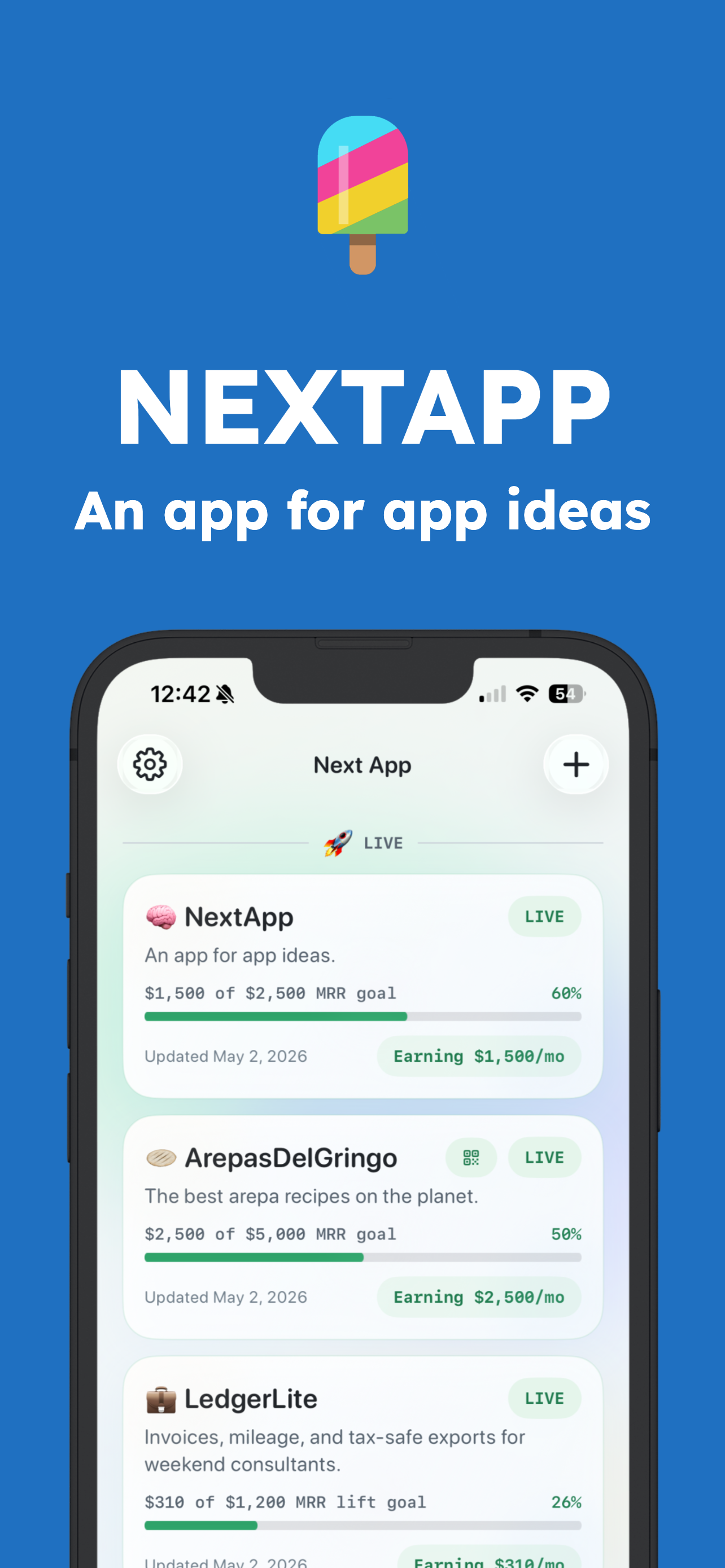
An app-first portfolio shows judgment through shipped work, not only job titles.
Lead with products
The first screen should make the apps obvious. Names, links, one-line descriptions, and status labels help visitors understand the work without clicking everything.
Show product judgment
Archived work can be useful when it explains taste. A sunset project shows you can close loops. An acquired project shows external value. A stealth idea shows direction.
Add business signal when it helps
Revenue, users, waitlist size, or launch milestones give context. You do not need to share every number. Share the signal that helps the visitor understand momentum.
Make the CTA match the visitor
If the portfolio is for users, point to the app. If it is for collaborators, invite contact. If it is for clients, use a modest hire or book-call CTA.
Solo developer maker-portfolio checklist
- Live apps appear before general bio copy.
- Each app has a one-line promise and working link.
- Archived work shows useful outcomes.
- Public metrics are chosen intentionally.
- CTA fits the page's real audience.
Keep going with maker profile examples, link-in-bio alternative, profile builder.